Invented world
Hollow Court, Hollow King, Blackthorn Wood and Thorn Throne need distinct, consistent translations.
Case study
Bride of the Hollow King is a published gothic fae romance of approximately 38,000 words. We used BookLingua to prepare complete French and German manuscripts while preserving its invented world, atmosphere and romantic tension.
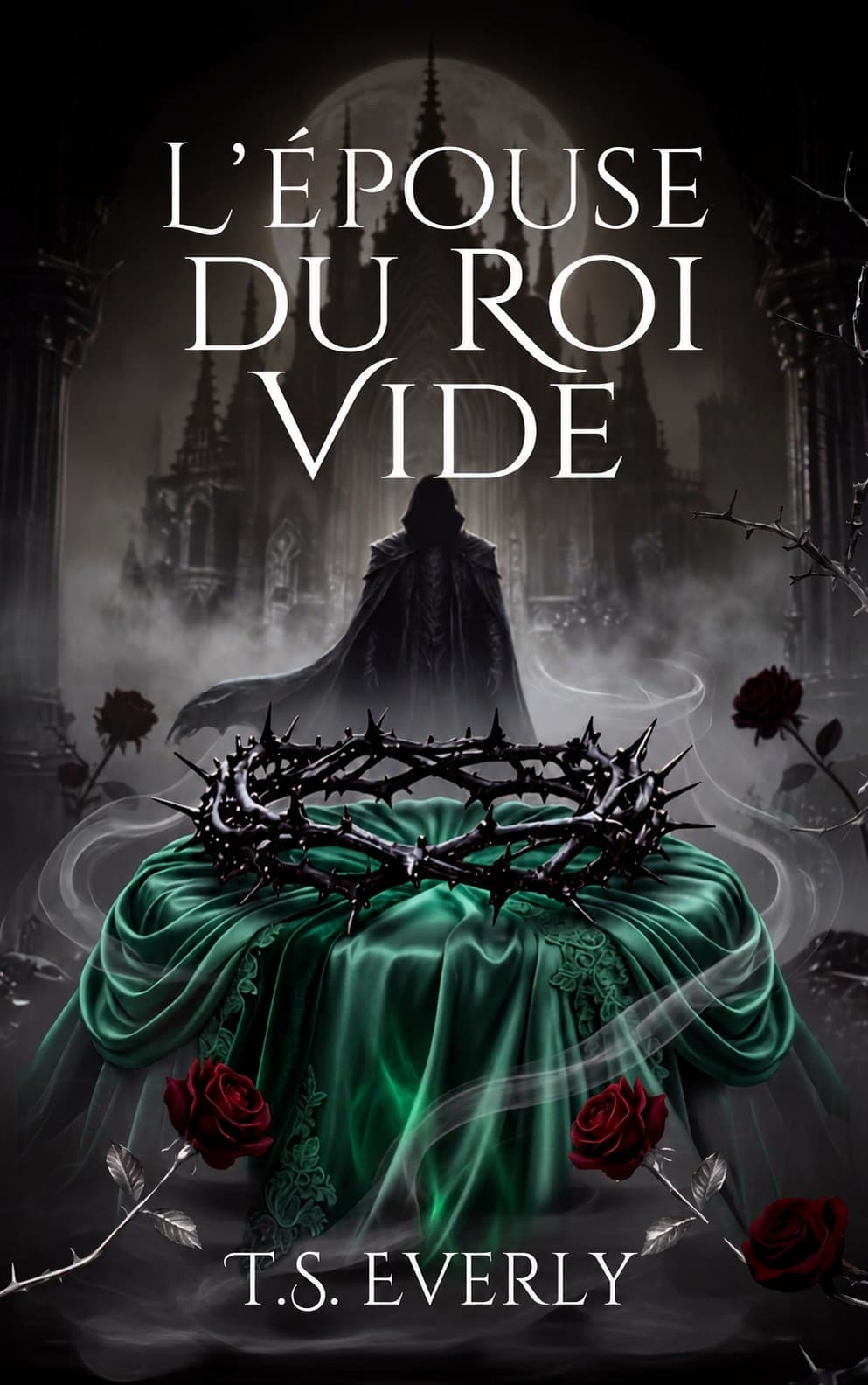
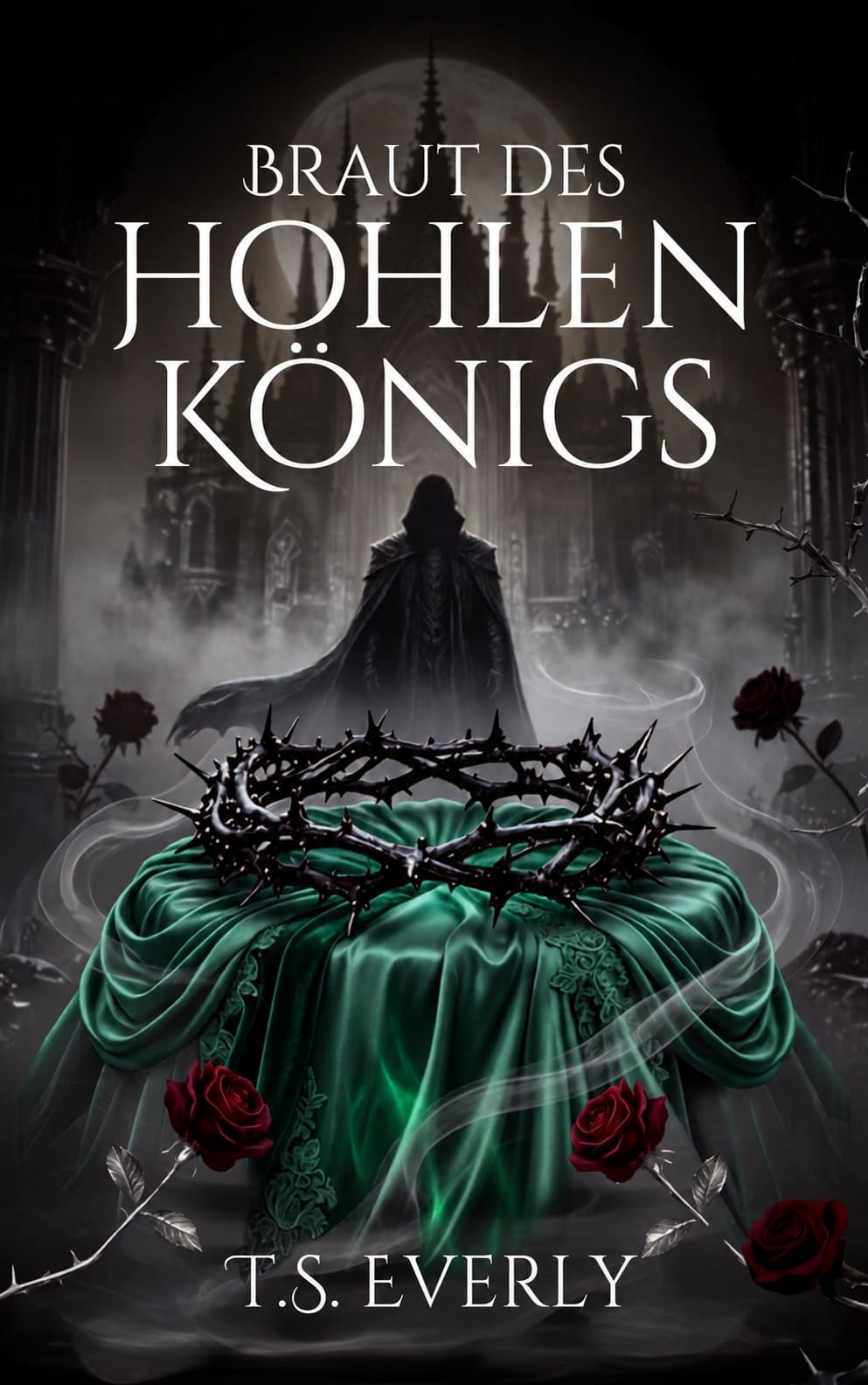
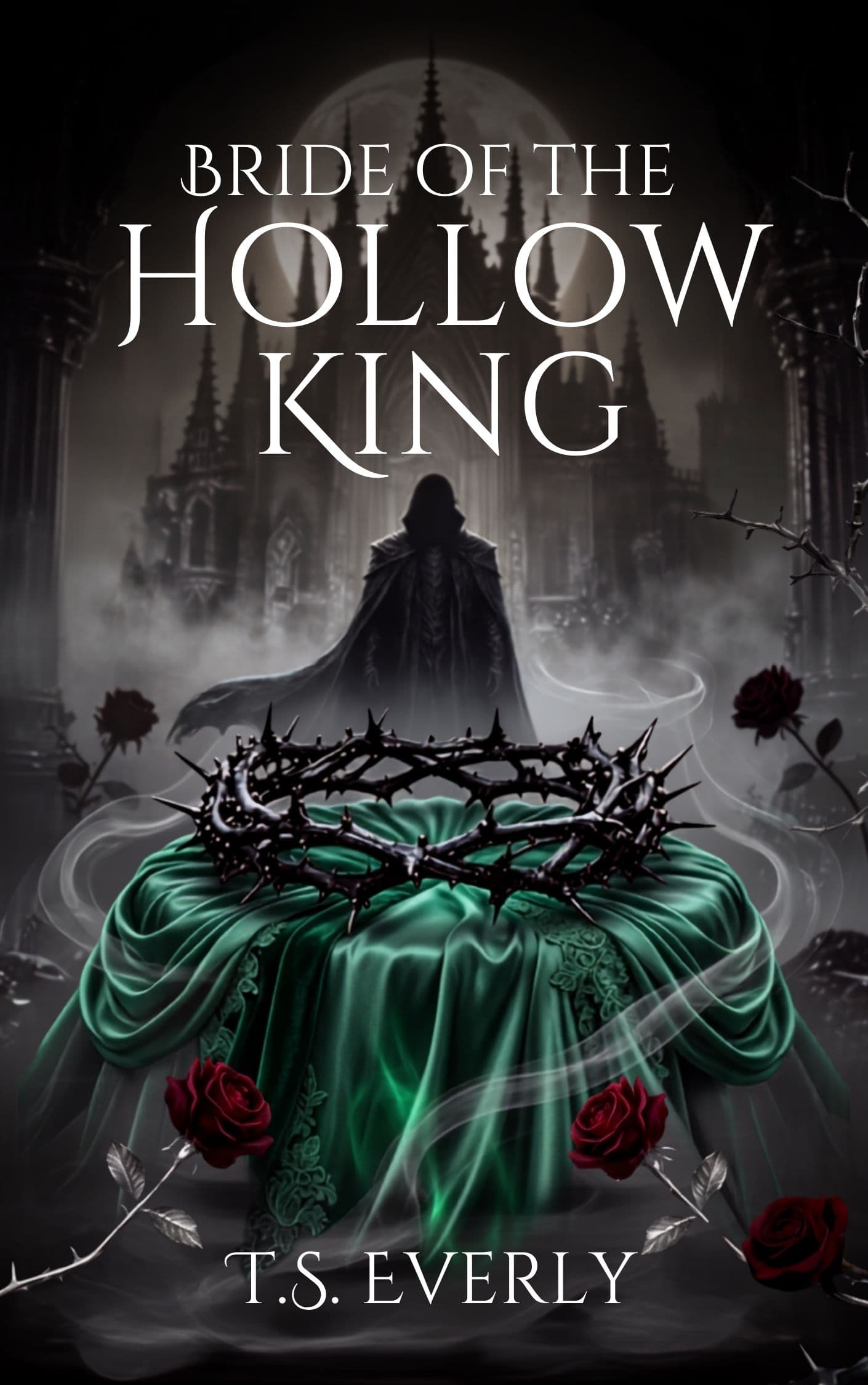
Romantasy demands accuracy, a coherent invented world, natural dialogue and romantic scenes that still feel romantic.
Hollow Court, Hollow King, Blackthorn Wood and Thorn Throne need distinct, consistent translations.
The gothic imagery must remain vivid without making the prose heavy or overly literal.
Character voice, rhythm and implication matter as much as the dictionary meaning.
Nobody wants a love scene that reads like a science experiment.
The English manuscript became the authoritative source.
Complete French and German manuscripts received a separate AI editorial pass.
Review Documents showed proposed changes instead of applying them invisibly.
Each market received copy, keywords, category suggestions and an upload checklist.
The complete-book test
AI can translate a complete novel, but generating a first draft is not the same as producing a manuscript that is ready for readers. A novel has to remain coherent across tens of thousands of words: names, invented places, recurring imagery, character voices and romantic tension all need to survive from the opening chapter to the final scene.
For this 38,000-word romantasy novel, BookLingua treated the English edition as the authoritative source and produced full French and German translations. The system carried the same terminology and stylistic instructions through the manuscript rather than translating isolated pages without context. This was particularly important for terms such as Hollow Court, Hollow King, Blackthorn Wood and Thorn Throne, which needed deliberate and consistent treatment in each language.
The result demonstrates what AI book translation can do well: process an entire manuscript efficiently while preserving plot, atmosphere and momentum. It also demonstrates why editorial review still matters. The first translation was the beginning of the process, not the finished product.
Translation and refinement
The first pass translated the complete English manuscript into French and German using genre-aware instructions. It prioritised meaning, continuity and the dark romantic tone while keeping names and invented-world terminology consistent.
A second pass reviewed the translations as fiction, looking for prose that was accurate but too literal, awkward collocations, inconsistent terminology and dialogue or imagery that did not sound natural in the target language. Suggested changes were shown visibly in Review Documents.
Native French and German professionals then reviewed the opening three chapters. The French reviewer found that some isolated phrases and metaphors followed English sentence structures too closely. The German reviewer highlighted a small number of literal image descriptions and unnatural word combinations. These were not plot errors; they were the kinds of details that distinguish understandable prose from natural genre fiction.
BookLingua acted on that feedback before producing the final manuscripts. Literal constructions were recast to sound natural in French or German, awkward combinations were smoothed, and recurring fantasy terms were checked for consistency. The corrections were applied beyond the sampled passages wherever the same pattern appeared, then incorporated into the clean final files. This feedback loop—translate, edit, obtain native-language review and correct—is the important difference between accepting raw AI output and preparing a book for publication.
Real opening excerpt
The opening had to establish the same danger, mystery and missing memory in all three languages.
“I woke beneath a canopy of thorns, with the taste of blood on my tongue and the feeling that I had been running from something I could no longer remember.”
“Je me suis réveillée sous une voûte d’épines, le goût du sang sur la langue et le sentiment d’avoir fui quelque chose dont je ne me souvenais plus.”
“Ich erwachte unter einem Baldachin aus Dornen, mit dem Geschmack von Blut auf der Zunge und dem Gefühl, vor etwas geflohen zu sein, an das ich mich nicht mehr erinnern konnte.”
The thorns, blood, flight and missing memory all arrive in the same opening beat.
Each language comes with a complete delivery package—not just a translated manuscript. The supporting files make the work transparent and help the author prepare the new edition for publication.
The clean, editable translation used for personal edits, print formatting or importing into Atticus or Vellum.
The ready-made ebook file, with chapter structure and navigation preserved for previewing and publication.
The AI editorial changes shown visibly in context, including the wording considered and the accepted replacement.
A section-by-section map connecting the original headings with the translated edition.
Selected explanations covering terminology, voice, localisation and important language decisions.
Independent native-language feedback on selected passages, including scores, strengths and specific refinements.
Market-specific descriptions, keywords, categories, pricing guidance and practical 30-day launch plans.
Step-by-step guidance for reviewing the files, formatting the book and publishing through platforms such as Amazon KDP.
Read the complete delivery-package guide for a detailed explanation of every file and how to use it.
Native-language review
Native French and German reviewers assessed whether the manuscripts read naturally, preserved the atmosphere and used fantasy terminology consistently. Both said they would keep reading.
Chapters 1–3 reviewed
“The translation reads smoothly overall and establishes the dark fantasy atmosphere very well.”
✓ Would keep reading
What worked: Immersive atmosphere, consistent character voices, strong momentum and cohesive fantasy imagery across all three chapters.
Targeted refinements: The reviewer recommended a light stylistic pass for isolated phrases and metaphors that followed English structures too closely.
Chapters 1–3 reviewed
“The German reads fluently overall and has the atmosphere expected from a dark romantic/fantasy novel.”
✓ Would keep reading without hesitation
What worked: Strong pacing, emotional weight and language that feels at home in the romantasy genre.
Targeted refinements: The reviewer identified a small number of literal image descriptions and collocations to smooth before publication.
The scores and quotations above come from independent native-language feedback. Both reviewers found the translations enjoyable and suitable for the genre while identifying a limited number of phrases for targeted refinement. BookLingua reviewed those findings and incorporated the relevant corrections into the final manuscripts.
One published English novella. Two complete translated manuscripts.
Upload your manuscript to see exactly what it would cost to translate with BookLingua.
Frequently asked questions
Yes. AI can translate a complete manuscript, but a book-length project needs consistent terminology, genre-aware instructions and a separate editorial review. Raw machine output should not be treated as a publication-ready novel.
It can be highly accurate for meaning and plot, but literary quality also depends on voice, rhythm, dialogue and cultural context. In this case, both native-language reviewers scored the translations 4/5 overall and said they would keep reading, while still identifying phrases that benefited from refinement.
Yes. Professional native-language review helps identify literal phrasing and stylistic issues that an automated process may miss. BookLingua used the reviewers’ feedback to correct the final French and German manuscripts.
BookLingua’s current small-book tier covers manuscripts up to 40,000 words from $99 per language. The exact total depends on the number of languages and any optional extras; use the pricing calculator for a current quote.
Read our complete AI book translation guide or calculate the cost of your manuscript.
You can also read the full analysis of what this novel test taught us, explore the challenges of translating romance and romantasy, or follow the Amazon KDP publishing guide used for the German edition.