Featured case study
How we translated Bride of the Hollow King into French and German
See how BookLingua handled a complete 38,000-word gothic romantasy—including its atmosphere, invented world and romantic tension—and what native-language reviewers thought of the results.
Read the complete case study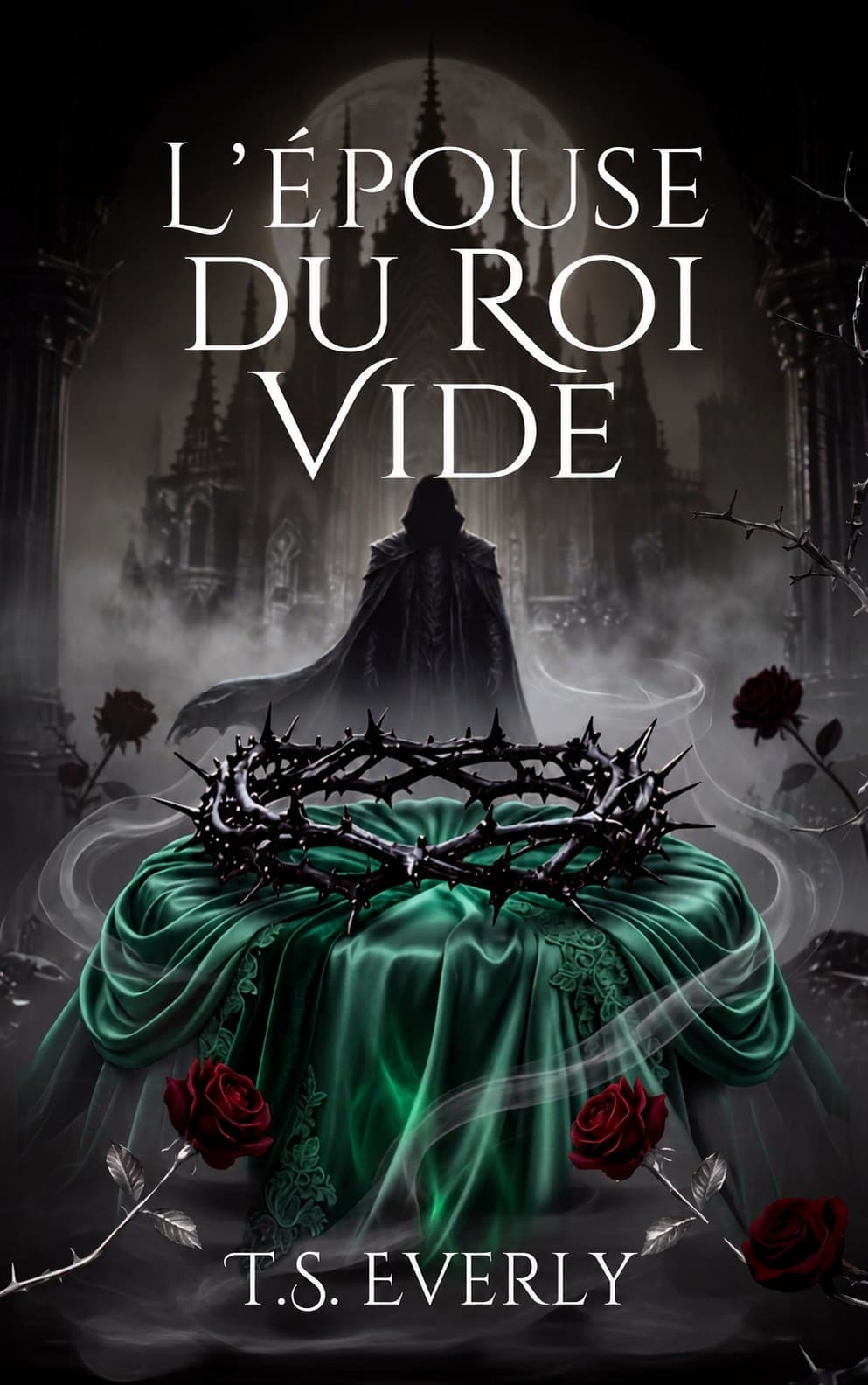
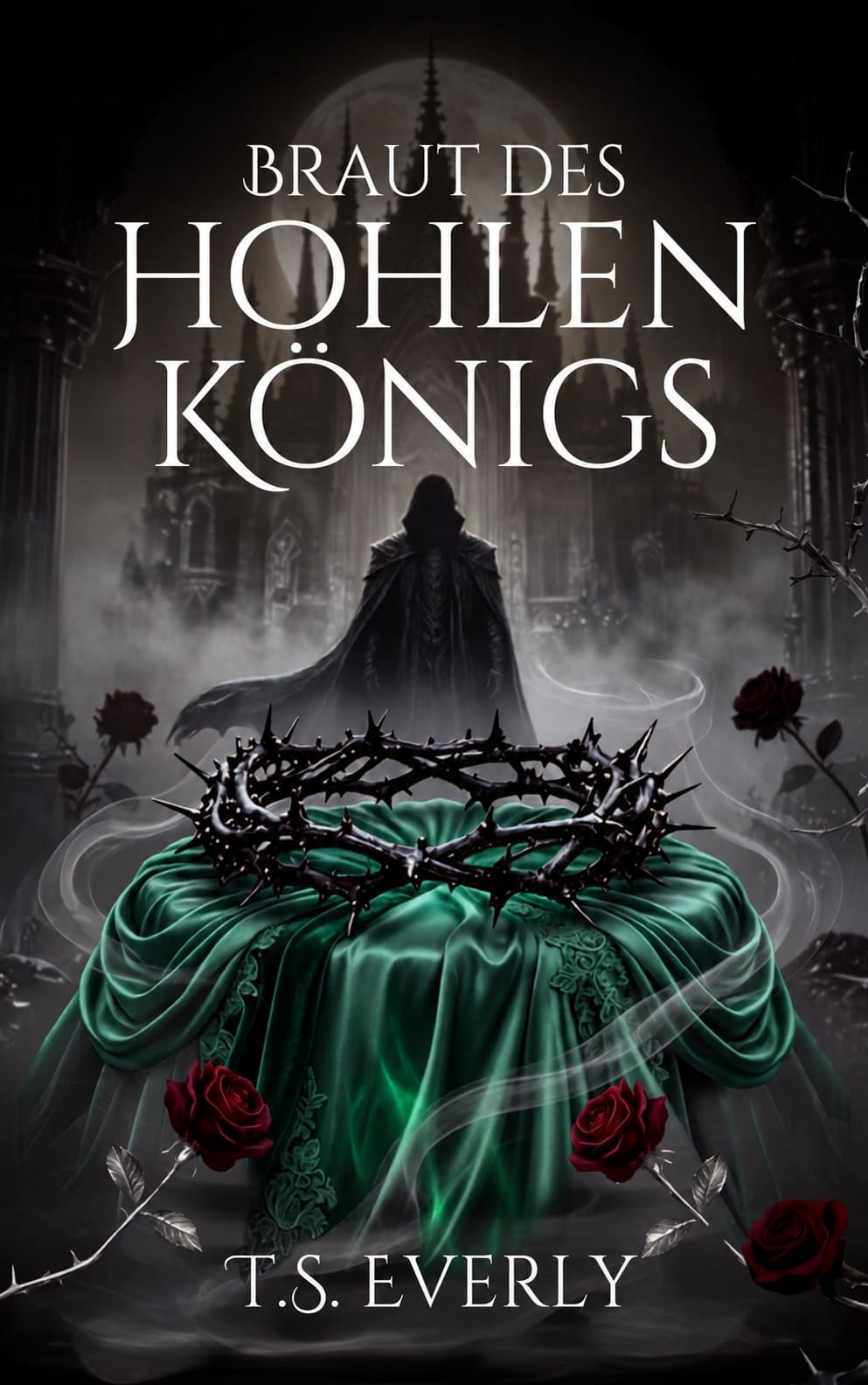
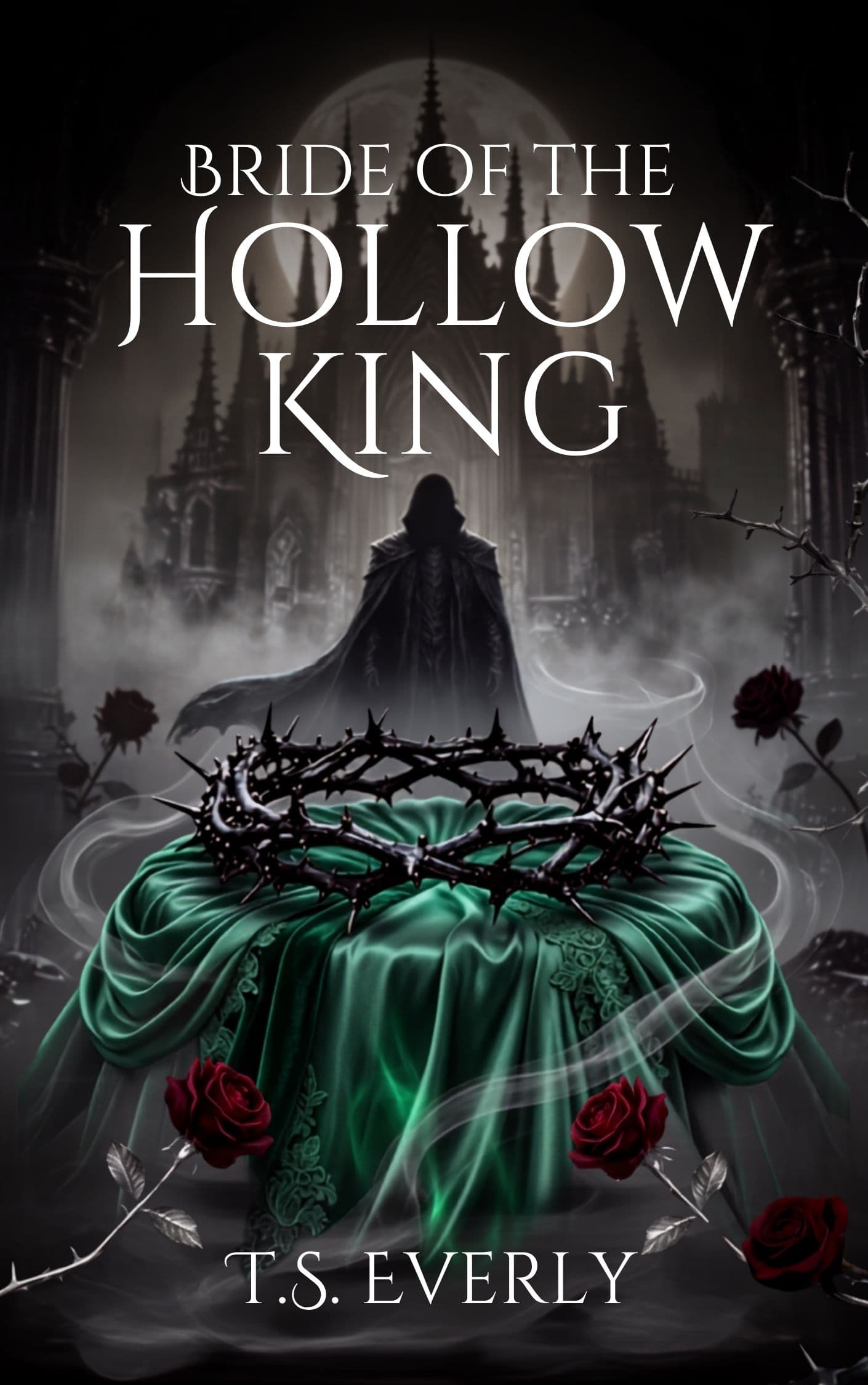
See BookLinguain Action
Every BookLingua translation goes through three steps: a smart cultural scan, an AI translation layer, then an editorial review that refines idioms, adapts cultural conventions, and ensures your book reads as if it were written for that market.
Below is the opening of Dracula by Bram Stoker (public domain) translated into all four BookLingua languages. Highlighted passages show where our editorial pass made improvements.
Dracula — Chapter I
Bram Stoker, 1897 · Public Domain · ~400 words
Original English
Source text
3 May. Bistritz.—Left Munich at 8:35 P.M., on 1st May, arriving at Vienna early next morning; should have arrived at 6:46, but train was an hour late.
Buda-Pesth seems a wonderful place, from the glimpse which I got of it from the train and the little I could walk through the streets. I feared to go very far from the station, as we had arrived late and would start as near the correct time as possible.
The impression I had was that we were leaving the West and entering the East; the most western of splendid bridges over the Danube, which is here of noble width and depth, took us among the traditions of Turkish rule.
We left in pretty good time, and came after nightfall to Klausenburgh. Here I stopped for the night at the Hotel Royale. I had for dinner, or rather supper, a chicken done up some way with red pepper, which was very good but thirsty.
(Mem., get recipe for Mina.) I asked the waiter, and he said it was called "paprika hendl," and that, as it was a national dish, I should be able to get it anywhere along the Carpathians.
I found my smattering of German very useful here; indeed, I don't know how I should be able to get on without it.
Having had some time to spare in going to the station, I went, of course, to the inevitable Graben, where I saw some very fine silver work being done. The people of Klausenburgh seem a very nice set, and there were many pretty girls.
I had asked the driver what the name of this was; he told me he knew it as "Via Transilvanica." I did not stop to make inquiries, as we had a long journey before us and the day was already well advanced.
Spanish Translation
BookLingua · AI + Editorial Review
3 de mayo. Bistritz.—Salí de Múnich a las 8:35 de la tarde del 1.º de mayo, llegando a Viena a primera hora de la mañana siguiente; debería haber llegado a las 6:46, pero el tren llevaba una hora de retraso.
Budapest parece un lugar maravilloso, a juzgar por el breve vistazo que pude echarle desde el tren y el poco tiempo que pude pasear por sus calles. Temía alejarme demasiado de la estación, pues habíamos llegado tarde y queríamos partir lo más puntualmente posible.
La impresión que tuve fue la de que dejábamos atrás el Occidente para adentrarnos en el Oriente; el más occidental de los magníficos puentes sobre el Danubio —que aquí presenta una anchura y profundidad imponentes— nos introdujo en el mundo de las tradiciones del dominio turco.
Partimos con bastante puntualidad y, al caer la noche, llegamos a Klausenburgh. Allí me alojé en el Hotel Royale. Cené —o más bien merendé— un pollo preparado de alguna manera con pimiento rojo, que estaba muy bueno aunque dejaba sed.
(Nota: conseguir la receta para Mina.) Le pregunté al camarero y me dijo que se llamaba «paprika hendl», y que, al ser un plato típico nacional, podría encontrarlo en cualquier lugar a lo largo de los Cárpatos.
Aquí me resultaron muy útiles mis nociones de alemán; es más, no sé cómo me habría arreglado sin ellas.
Como me quedaba algo de tiempo antes de partir hacia la estación, fui, por supuesto, al inevitable Graben, donde pude ver cómo se elaboraban algunas piezas de plata de gran calidad. La gente de Klausenburgh parece muy agradable, y había muchas jóvenes hermosas.
Le había preguntado al cochero cómo se llamaba este camino; me dijo que él lo conocía como «Via Transilvanica». No me detuve a hacer averiguaciones, pues teníamos un largo viaje por delante y el día ya estaba muy avanzado.
What the Editorial Pass Improved
Spanish — specific improvements made beyond raw translation
- 1🗓️ Date and time conventions adapted to Spanish (RAE) standards — "1st May" becomes "1.º de mayo," "P.M." rendered as "de la tarde"
- 2💬 Dialogue and quoted terms styled with angle quotes («») per Spanish typography rules rather than English quotation marks
- 3🌊 Several lengthy Victorian English clauses restructured for natural Spanish literary prose rhythm without losing Harker's precise voice
How to Read the Highlights
Switch language to compare translations →
Ready to translate your book?
Upload your manuscript and get a professional AI translation with full editorial review — formatting preserved, changes highlighted for your approval.
Translate Your Book→